Used by rescue organisations, behaviourists, and experienced adopters across the UK, the 3-3-3 rule maps the three key phases most rescue dogs move through after coming home: the first three days, the first three weeks, and the first three months. The process can still present some challenges, but having some structure and a good idea of what to expect after you adopt your new best friend can make things go more smoothly.
What Is the 3-3-3 Rule?
The 3-3-3 rule is a loose framework, not a rigid schedule, that describes how rescue dogs typically adjust to a new home. Each phase reflects a different stage of emotional and psychological decompression.
It’s important to note that the numbers are approximate. Some dogs will move through each stage faster; others, especially those with difficult histories, will need more time. What the rule gives you is a realistic baseline and a set of reasonable expectations for each phase.
Phase One: The First 3 Days
A Huge Change
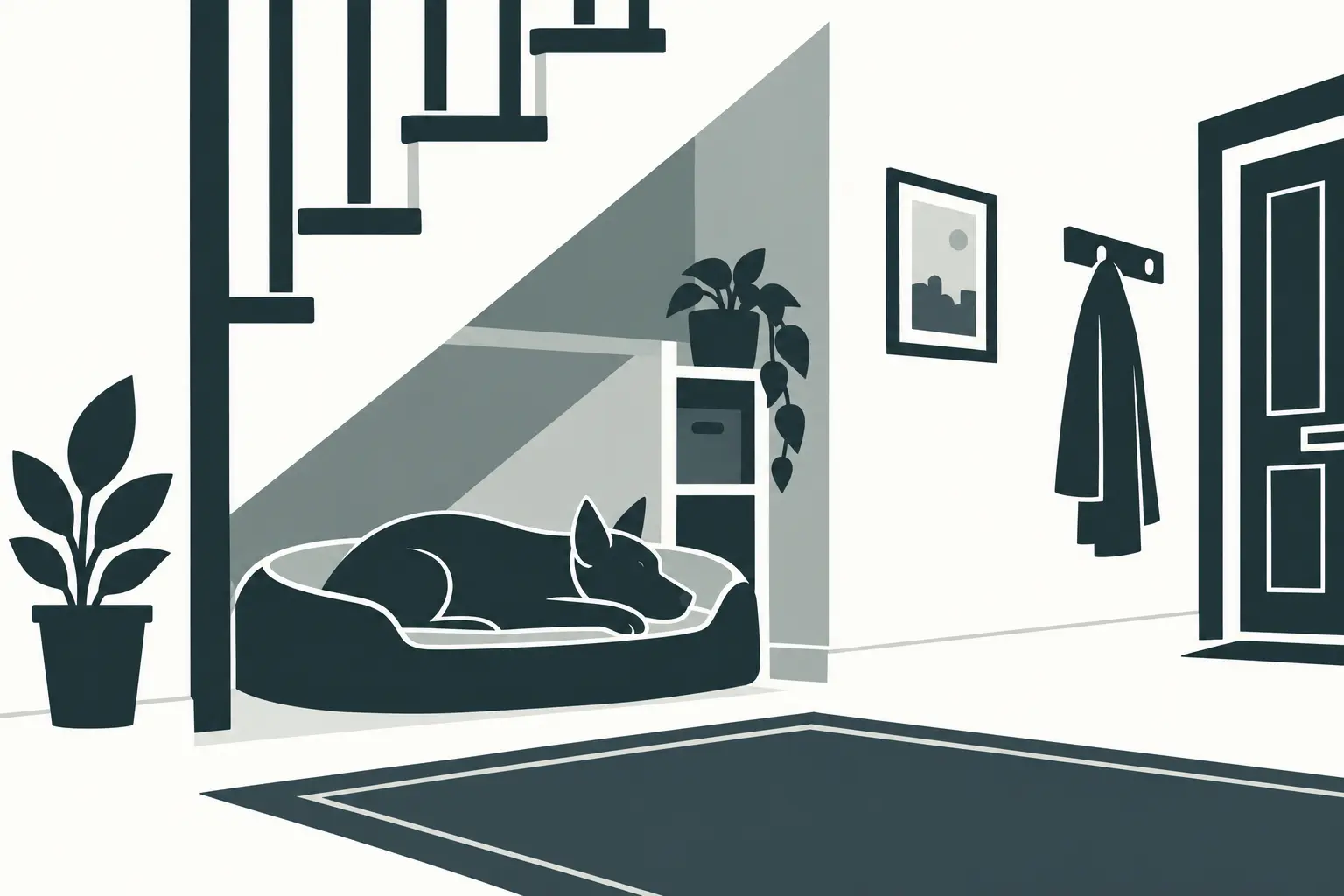
The first 72 hours are the hardest; everything in their world has changed at once. The smells, the sounds, the space, the people, everything. For a dog, whose sense of security is entirely grounded in familiar environments and routines, this is a significant amount of upheaval to process at one time.
What you might see:
- Reluctance to eat or drink
- Sleeping more than you’d expect
- Hiding, shutting down, or being very withdrawn
- Conversely, restlessness or pacing (some dogs cope by moving rather than retreating)
- Toileting accidents, even in house-trained dogs
- Not engaging with toys, affection, or play
All of these are typical behaviours of a dog that’s overwhelmed, and that’s OK. Here are some things you should do to help them adjust:
- Keep it quiet. Resist the urge to introduce friends and family immediately. The excitement is understandable, but every new person is another source of stimulation your dog has to process.
- Set up a safe space before they arrive. A quiet corner with a comfortable bed, ideally somewhere they can retreat to and feel invisible if they need to.
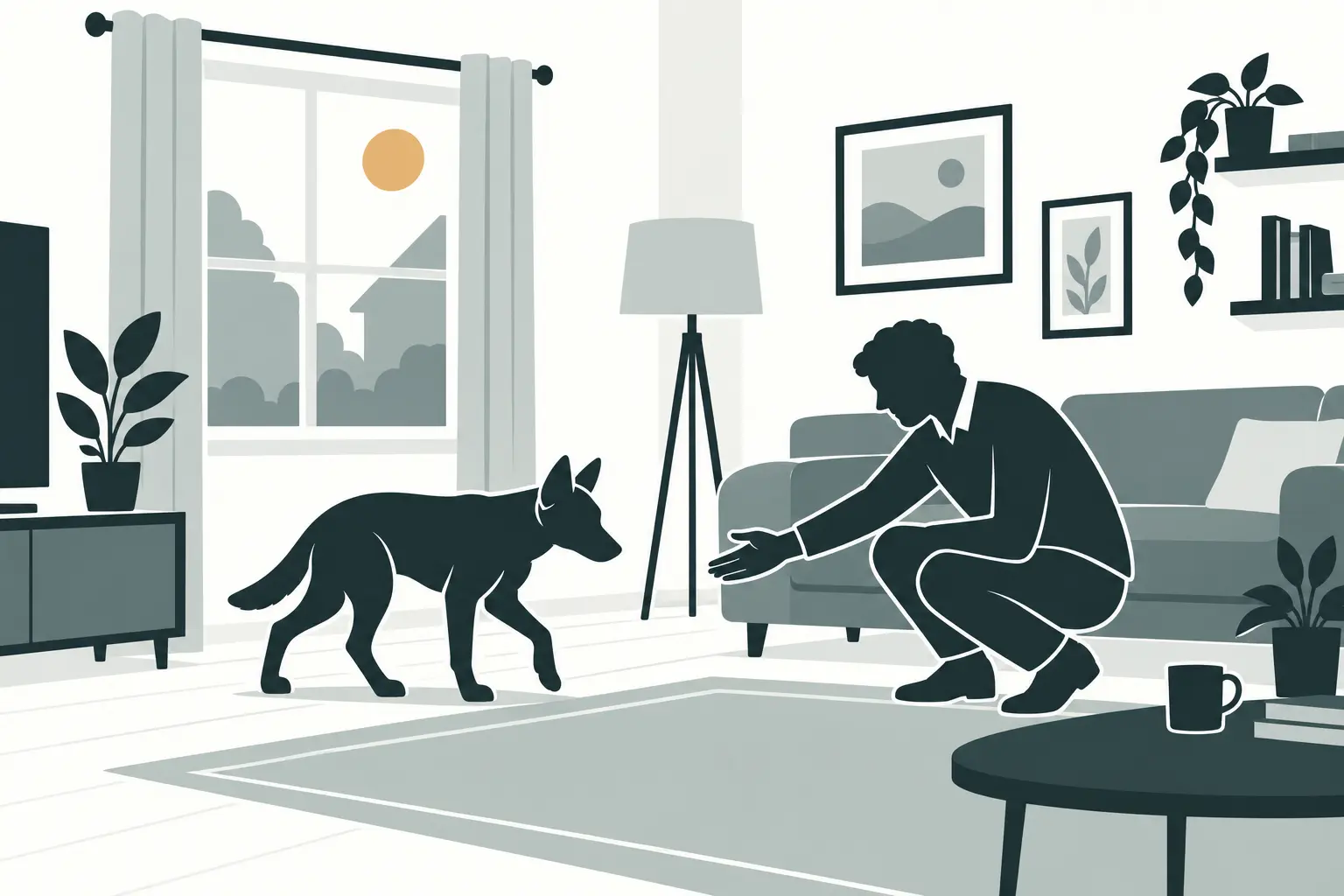
- Don’t force interaction. Let your dog approach you on their own terms. Sit on the floor nearby and let them investigate at their pace. They may not approach during this time, and that’s perfectly normal.
- Keep walks short. A brief walk in a quiet local area to help them do their business allows them to start building familiarity without overloading their senses.
Phase Two: The First 3 Weeks
Coming Out of Their Shell
By the end of the first week or so, you should start to see small signs of progress. Your dog may begin eating more reliably, show a bit of interest in a toy, or approach you voluntarily. These are great signs - encourage them quietly, and don’t make too big a deal of them, as some dogs find exuberant human reactions alarming at this stage.
Over the following two to three weeks, most rescue dogs begin to get a feel for the rhythm of your household. They learn when walks happen, when meals come, when the house is busy and when it’s quiet. Routine is very reassuring for dogs, and this is the period where routine starts to take hold.
What you might see:
- More confidence and curiosity such as sniffing around the home, exploring rooms
- The beginning of their actual personality emerging
- Some separation anxiety if left alone, particularly if they had a difficult kennel history
- Increased energy and a desire to play
There are a few things you can do during this stage to keep them reassured:
- Keep the routine consistent. Walks, meals, and bedtime at roughly the same time each day give your dog structure.
- Begin basic training. Simple commands such as sit, wait, and leave can help your dog understand what you’re communicating and give them small wins to build confidence. Not all dogs will engage with this, but many enjoy learning new things.
- Enforce rules consistently. If somewhere is off limits, it should always be off limits. Dogs find inconsistency deeply confusing, and confusion can lead to anxiety.
- Use positive reinforcement only. Raised voices or punishment can undo progress quickly. Calm, clear praise and food rewards work. Harsh discipline creates distrust.
- Start short periods of separation. If being left alone is going to be part of your dog’s life, begin building up to it very gradually, rather than leaving them for hours at a time unprepared.
It’s also worth noting that the three-week mark is when some behavioural issues can become visible. Dogs that were shut down in the first few days may now feel comfortable enough to bark, jump, resource guard, or react on the lead. This is your dog beginning to trust the environment enough to behave like themselves. Address things calmly and consistently, and seek support from a qualified behaviourist if you’re seeing anything that concerns you.
Phase Three: The First 3 Months
Bonding
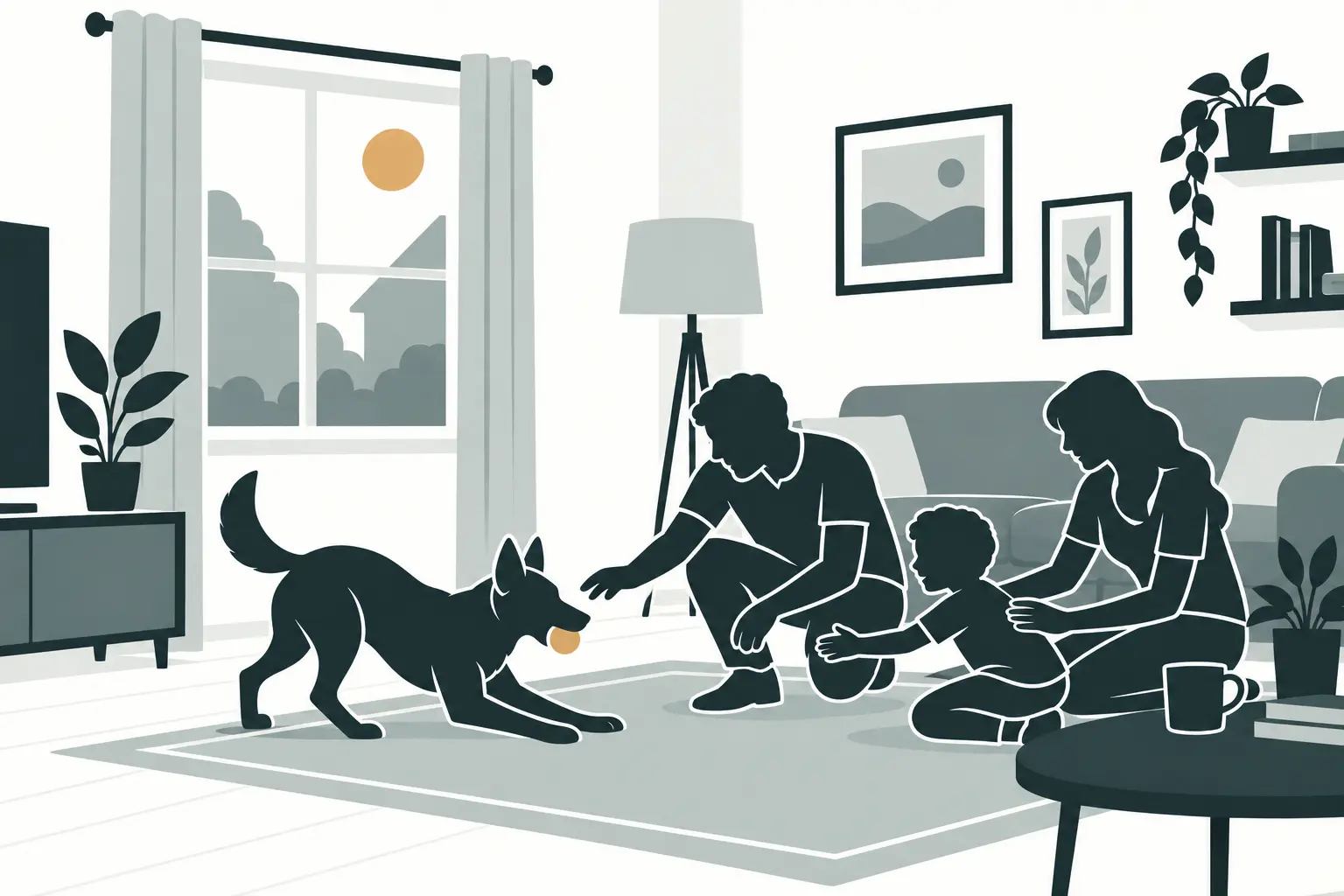
The three-month mark is where the real connection tends to begin. Most rescue dogs by this point have begun to genuinely trust their environment and the people in it. They understand the routines. They’ve learned the household rules (even if they still test them occasionally), and crucially, they’ve started to show you who they actually are.
What you might see at this stage:
- A settled, relaxed demeanour around the home
- Genuine affection, such as seeking out contact and following you between rooms
- More confident behaviour outdoors
- Real progress with training
- A clear bond between dog and family members
Here are a few things you can do to keep everything going smoothly:
- Keep building on training. Three months is a great time to consider a local training class. Not because something’s wrong, but because it’s a structured, sociable way to continue developing communication between you.
- Introduce new experiences gradually. Busier parks, new dogs, and different environments are things you should add slowly, watching your dog’s body language for signs of stress.
- Maintain the routine. Even as your dog becomes more settled, predictability remains reassuring. Don’t let the structure slip just because things feel easier.
What If My Dog Is Still Struggling After 3 Months?
The 3-3-3 rule is a guideline, and every dog is different. Some dogs, particularly those with complex histories of neglect, abuse, or long-term kennelling, take considerably longer than three months to fully settle. Six months to a year is not unusual, and it doesn’t mean something has gone wrong.
Signs that you might benefit from additional support could include:
- Persistent reactivity on the lead that isn’t improving
- Severe separation anxiety
- Resource guarding that feels dangerous
- Extreme fear responses that don’t seem to be improving
Your first port of call should be your vet, who can rule out any health factors contributing to the behaviour and refer you to an accredited behaviourist if needed.
Frequently Asked Questions
How long does it take a rescue dog to settle in?
Most rescue dogs take around three months to feel truly settled in a new home. The 3-3-3 rule gives a useful framework, but just remember, some dogs take longer, particularly those with difficult histories.
Why is my rescue dog not eating?
Loss of appetite is very common in the first few days after adoption. Your dog is processing a significant amount of change, and stress can suppress the appetite. Try offering food in a quiet spot, and don’t hover while they eat. If your dog has gone more than 48 hours without eating anything at all, contact your vet.
My rescue dog seems scared of everything. Will this improve?
In the majority of cases, yes. Fear is a common response to an unfamiliar environment. Avoid overwhelming your dog with new experiences in the early weeks; instead, allow them to encounter new things gradually and at their own pace. If fear responses seem very intense or aren’t improving after several months, it may be worth speaking to a behaviourist or the rescue centre.
Should I let my rescue dog sleep in my bedroom?
There’s no right or wrong answer here - it depends on your preferences and your dog’s needs. Some dogs find proximity to their new owner reassuring in the early weeks; others are perfectly settled in a separate space and may not want to be that close.
Where can I get help with my rescue dog?
If you have concerns or are struggling with the adjustment period, there are several things you can do. Most rescue charities offer support after adopting, so it’s always a good idea to speak to them for advice. They may refer you to a behaviourist, or have one there that can offer support. A visit to the vet may also help rule out any health conditions.
Conclusion
Adopting a rescue dog takes patience, consistency, and a willingness to work on your dog’s timeline rather than your own. The 3-3-3 rule gives you a way to understand what your dog is going through at each stage, so that the difficult moments feel less alarming and the small breakthroughs feel more meaningful.
While it can be challenging, it’s also incredibly rewarding seeing a dog show their true personality as they learn to trust you and get comfortable in their new home, something they may never have had before.