
Bringing a rescue dog home is exciting, but it can also be overwhelming for your new arrival. Everything is unfamiliar; the smells, the sounds, the people, and the routines. Some dogs have never lived in a home before, or have been mistreated. Some will be missing the previous home. Preparing your home properly before adoption can make a huge difference to how quickly your dog settles and how confident they feel.
Here we’ll talk about some of the things you can do before your rescue dog arrives, helping you create a calm, safe, and welcoming environment from day one.
Be sure to read our guide on the 3-3-3 rule for advice on helping your dog settle in.
Why Preparation Matters for Rescue Dogs
Many rescue dogs have experienced disruption, uncertainty, stress or even worse. Even dogs with no obvious trauma can feel unsettled when moving to a new home. They’ve been taken from their previous home or off the street, placed in kennels for weeks, months or even years, and now taken again by people they don’t know, so it’s natural for them to feel stressed and worried.
A well-prepared home:
- Reduces anxiety and overstimulation
- Helps prevent behavioural issues early on
- Makes training and bonding easier
- Sets clear boundaries from the start
Create a Calm, Safe Space First
Set Up a “Safe Zone”
Before your dog arrives, choose a quiet area of your home where they can relax and feel safe. This might be:
- A corner of the living room
- A spare room
- A quiet hallway space
Be sure to include a comfortable bed, blanket or crate, fresh water and a chew or soft toy.
This space should be off-limits to visitors and children; somewhere they can feel secure without being disturbed. It’s important to give your dog space whilst they settle and get to know you. The adoption team should be able to give you more advice for the specific dog you are adopting as their needs can vary.
Dog-Proof Your Home
Just like a toddler, a new dog will explore with their mouth and paws, and can cause a bit of trouble, especially if they’ve never lived in a home before. To keep them safe, and protect your belongings, there are a few things you can do:
- Remove loose wires and cables
- Keep shoes, bags, and remote controls out of reach
- Store cleaning products, medication, and food securely
- Secure bins or use lidded bins
- Use stair gates if needed
For the outside area, make sure to check fencing for gaps or loose panels, secure any garden tools or chemicals and keep any gates securely closed.
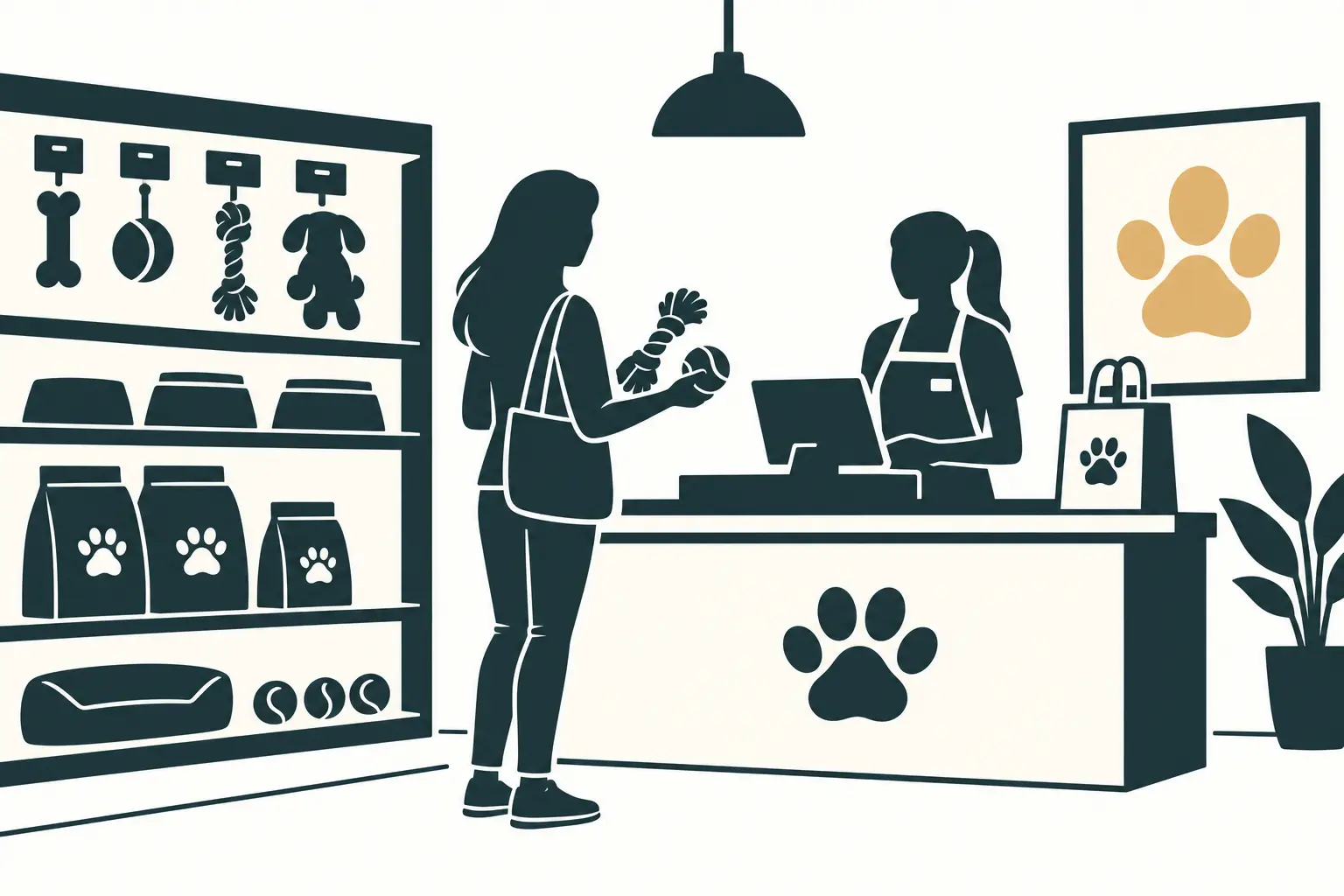
Get the Essentials Ready
Before your new companion arrives, there are a few essentials you’ll need:
- Collar, lead, and ID tag
- Dog food (check with the charity first for dietary requirements)
- Food and water bowls
- Bed or crate
- A few toys
- Poop bags
Remember to also consider pet insurance, and find out whether the dog has any ongoing health conditions that may require ongoing treatment.
The First Few Days
When your dog arrives, it will be incredibly overwhelming for them. They may have had a difficult, traumatic past, and have just spent some amount of time in kennels, only to be moved again. The first few days are very important and all about letting your dog know they are safe and can relax in their new home.
During this time, avoid visitors, loud noises, parties and over-handling. Let them know they have a safe space to go when they need some alone time, and let them come to you when they feel ready. This can take a while, but is all the more rewarding when it finally happens.
Let your dog explore at their own pace. Bonding comes from calm presence, not constant interaction. It’s also useful to establish a routine as dogs thrive on predictability. Try to feed at consistent times, walk at similar times each day and keep bedtime routines calm. Routine helps your dog understand what to expect and builds confidence quickly.
Prepare Everyone in the Household
If you live with others, it’s important that everyone is on the same page. Agree in advance on things like where the dog is allowed to go, feeding rules, walking and care responsibilities and how to respond to nervous behaviour. This is especially important with children, as they can be overwhelming for some dogs that don’t want all the attention.
Learn about how to introduce children to your new rescue dog here.
How Will You Handle Time Left Alone?
Even if you’re home a lot, your dog will eventually need to be left alone, even just for an hour or so. It’s important to think about how to handle this, as it can be stressful and scary for a dog in their new home.
Start by leaving them for very short periods at first, and gradually building up. This lets them know that you’ll be coming back and it’s ok. Consider taking them for a walk beforehand, or playing with toys to tire them out a bit so they are ready to relax and hopefully sleep while you are out.
Final Thoughts
The first few days and weeks after adopting your dog are crucial, and also the most difficult. It’s important to be prepared, and make sure to speak to the charity when adopting a dog about how to care for them best as every dog has different needs.
Most important is to give them time to adjust, and a space where they can feel safe and alone if they want it. Avoid overstimulation, and let the dog come to you when they are ready.
Once they learn that the home is a safe and loving place to be, and have a routine, they will begin to relax and settle down. Early preparation can avoid a lot of stress later, for both you and your dog.