
Having a dog is incredibly rewarding, but it’s also a long-term financial commitment with costs that can really add up. Before bringing a dog home, it’s important to understand the true cost of ownership, not just the initial price or adoption fee.
Here we’ll cover the one-off costs, monthly expenses, and unexpected bills you should plan for when owning a dog in the UK.
One-Off Costs When Getting a Dog
Whether you adopt or buy a dog, there’s usually an upfront cost. When rehoming from a charity, this is usually around £200-£300, and sometimes a bit more for a puppy. Adoption fees typically include vaccinations, neutering, and microchipping. This fee helps cover the costs of looking after the dog at the charity.
When buying from a breeder, the costs can vary significantly based on a number of factors like breed, age, and demand, but it’s often a much higher figure, sometimes in the thousands.
Initial Equipment & Setup
Before your dog even arrives, you’ll need some essentials:
- A comfy bed: £30–£100
- Collar, lead & ID tag: £20–£50
- Bowls & toys: £50–£100
- Crate or stair gate (optional): £40–£120
You can expect to pay £100-£300 for this, though if you’ve had a dog previously or know someone with unwanted dog toys, bed etc… it’s possible to bring the costs down and also reduce waste.
Neutering
When you adopt a dog, it will almost always be neutered before it comes home with you unless it’s still a puppy or there are medical reasons.
If you have a puppy and want to neuter when it’s older, you should be prepared to pay around £200-£300 for a small dog, and up to £500 or more for a larger dog, depending on the procedure.
Ongoing Monthly & Annual Costs
Dog Food
Food costs vary significantly based on size, quality, and dietary needs. For a small dog, you can expect to pay £20-£40 a month, whereas for larger dogs you can expect to pay up to £100 for premium dog food. Special diets or allergies can increase this further.
Pet Insurance
Insurance helps protect you from unexpected vet bills and is strongly recommended, especially as vet costs have been rising significantly in recent years. The price of insurance will vary greatly based on age, breed, any pre-existing conditions and the type of cover.
For a young, healthy dog cover can be around £10-£20 a month, but premiums increase significantly as the dog gets older, even if they are healthy. Prices can easily reach £100 a month or more.
Flea, Wormer and Vaccinations
It’s important to protect your dog from fleas, worms and common diseases through vaccinations. Flea and wormer is typically £10-£15 a month, and annual vaccinations are usually around £50-£80 a year.
Unexpected Vet Bills
We all hope our dogs will stay healthy, but just like people they can get ill and require veterinary treatment. If you’re insured, this is less of a concern but excesses often apply (usually about £100) or sometimes a percentage of the total fees still need to be paid, depending on your cover. Most plans will only cover up to a certain amount and don’t always renew each year.
If you aren’t insured, veterinary bills can be a massive expense, sometimes in the thousands depending on the treatment that’s needed. It’s impossible to predict what these costs will be over the lifespan of your furry companion, but without insurance you may have to spend thousands for treatment.
Grooming
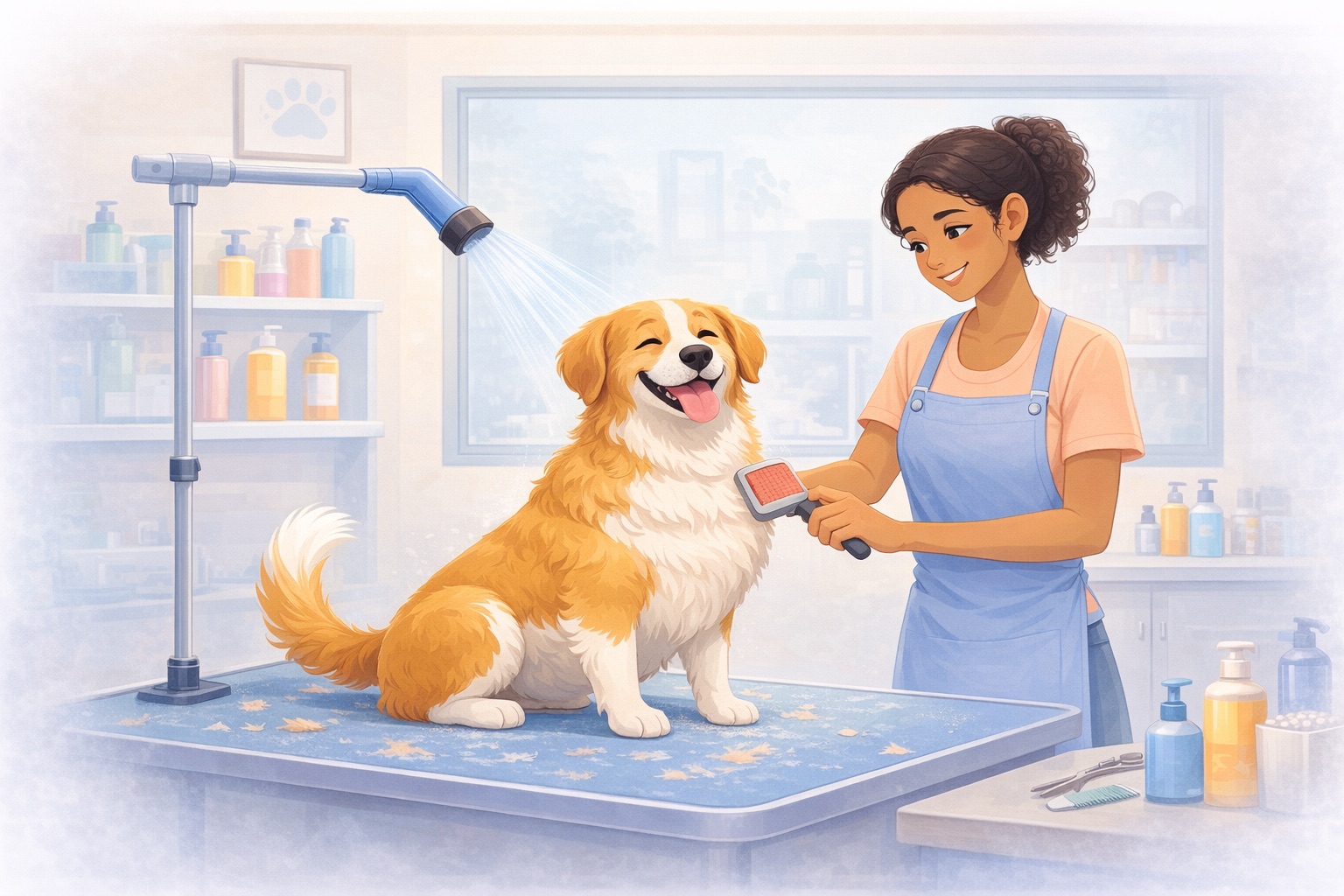
Like humans, dogs need to be groomed to keep their coat and skin clean and healthy. Some owners choose to do this themselves to reduce costs and bond with their dog, but some equipment like shampoo and clippers will still be needed.
If you choose to take your dog to the groomers, you can expect to pay £30-£80 each time, depending on the size and breed. Some breeds need more regular grooming than others, so these costs can add up.
Optional Costs
There are some costs that may apply to some owners, and are worth mentioning.
Training & Behaviour Support
Many owners choose to take their puppies to classes for training, and a course often costs £100-£150. If you have a dog that needs extra work, perhaps with behavioral issues, regular classes can cost several hundred over time. Charities sometimes include classes for free when adopting a dog that needs some additional training.
Dog Walking & Daycare
If you work long hours or need support, you may need a dog walker or daycare. This can add up quickly if used regularly.
Boarding & Holidays
If you travel, you’ll need to find someone to look after your dog (if they aren’t coming with you!).
Kennels are usually £15–£30 per night, but prices can vary.
So How Much Does It Really Cost to Have a Dog?
As you can see, costs can really add up, and new dog owners may not think about some of these costs in advance.
Battersea Dogs & Cats Home estimate the average cost of owning a dog is around £2,000 a year. With the average lifespan of a dog about 13 years, this means you could expect to pay an estimated £26,000 in total.
Every dog is different of course, and costs may be lower, but they could also be higher and it’s important to be prepared for unexpected costs.
A Final Word
Understanding the true cost of dog ownership is one of the most responsible steps you can take before adopting or buying a dog. If you’re considering rehoming, many rescue charities offer guidance, post-adoption support, and sometimes even help with training or behaviour, which can reduce costs and stress.
While having a dog isn’t as cheap as you might think, the love they give makes it all worthwhile. Just make sure you’re in a financial position to have a dog and are aware of all the costs that are involved.