You’ve found a dog you love. You’ve filled in the application. And now the rescue has said they’d like to do a home check before confirming the adoption.
If you’re panicking, don’t worry. Home checks are far less daunting than most people expect, and they’re in place for a reason. This guide explains exactly what a home check involves, what the home check is looking for, and how to prepare so you can feel confident on the day.
What Is a Home Check?
A home check, or home visit, is a step in the rescue dog adoption process where a volunteer or staff member views your property before a dog is placed with you. Some rescues conduct them in person; others now offer virtual checks via video call.
It’s really just a conversation designed to make sure the dog will be safe and happy in your home, and to check that you’re fully prepared for what dog ownership involves. It’s usually conducted by a member of staff or volunteer, many of whom are experienced dog owners themselves who understand that homes look lived-in and gardens aren’t always pristine.
Do All Rescues Require a Home Check?
Not always. Practice varies considerably across the UK’s rescue sector, particularly between larger national organisations and smaller local rescues.
Some rescues make home checks mandatory for every adoption. Others carry them out on a case-by-case basis; for example, if a dog has specific needs, if children or other animals are in the household, or if the adopter has limited prior experience with dogs. The RSPCA, for example, notes that for some adoptions they may arrange a home visit or virtual check, particularly for puppies, while for others the process is simpler.
What Does a Home Check Actually Look For?
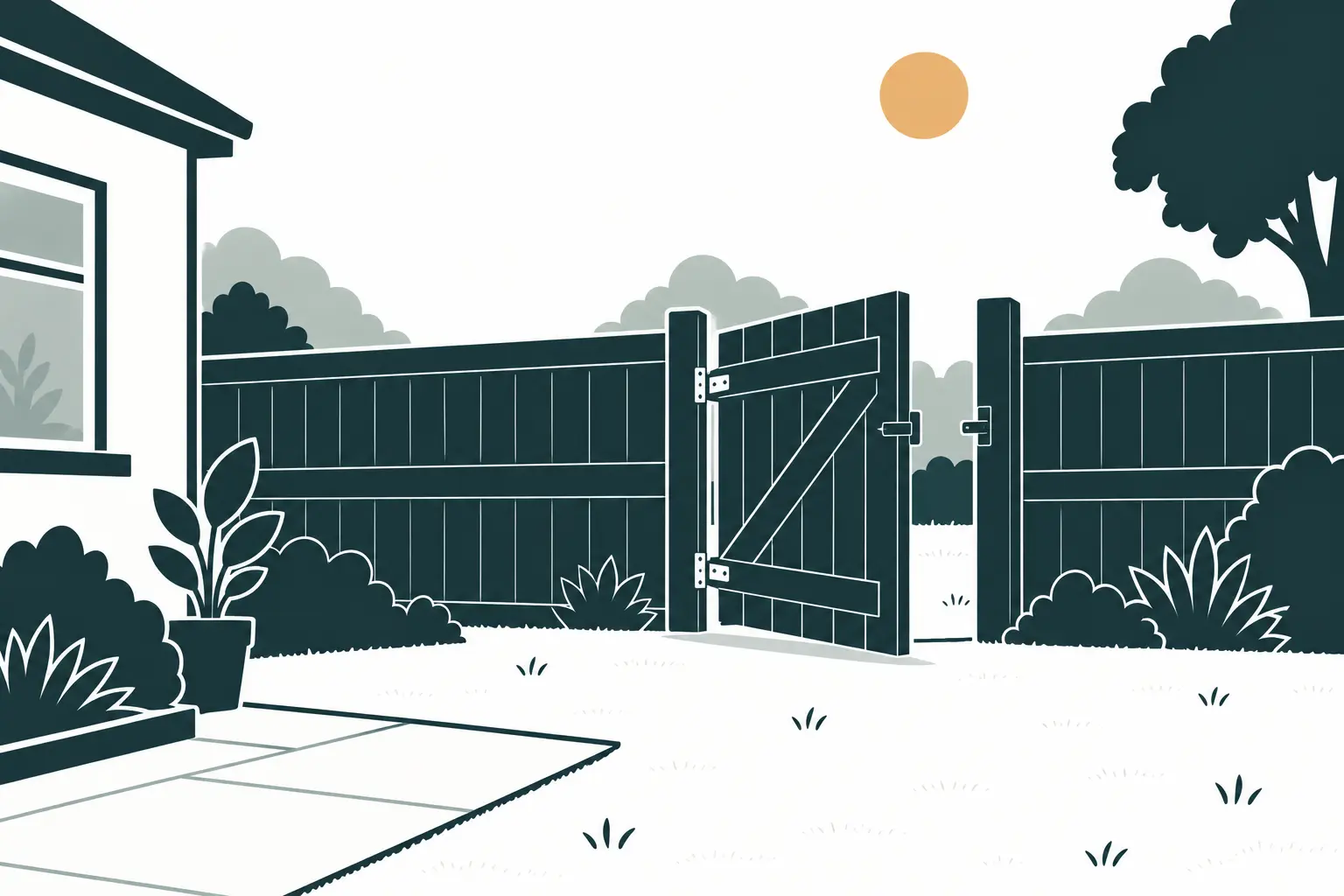
The Garden and Outdoor Space
This is usually the first priority. They’ll want to assess whether your garden or outdoor space is secure enough for the specific dog you’re adopting. That means:
- Fence height and condition. Most rescues require a minimum of 5–6 feet of solid fencing for larger or more athletic breeds. If your fencing has gaps, loose panels, or sections a dog could squeeze under or push through, this could be flagged.
- Gate security. Garden gates should be secure. A gate that can be easily opened by a dog can cause an issue.
- Hazards. Ponds, sharp objects, toxic plants, chemicals stored outdoors - anything that could pose a risk to a curious dog.
If you don’t have a garden, don’t assume you’ll be automatically rejected. Many rescues will consider people who live in flats or those without private outdoor space, particularly for calmer or smaller breeds. Be upfront about this on your application and during the visit, and emphasise your access to parks, green spaces, and how you’ll manage walks and toileting routines.
Inside the Home
The inside of your house is far less scrutinised than you’d expect. The charity isn’t there to judge your decor, count your dishes, or rate your soft furnishings. A lived-in home is completely normal and expected.
That said, there are a few things they may ask:
- Where will the dog sleep?
- Where will the dog be fed?
- Are there any areas you plan to keep dog-free, and if so how will you manage that?
- Are there any indoor hazards, such as exposed wiring, unsecured bins, easily accessible food or cleaning products?
There are no trick questions and no right or wrong answers, so just be honest. If you’re unsure about something, say so. They’re not expecting you to have every detail perfectly mapped out; they’re looking for considered, realistic thinking and a genuine commitment to making it work.
If other pets or children are in the household, everyone will usually be expected to be present for the visit. This helps the charity assess how the dog might fit into the home.
Are Home Checks Always in Person?
No. Video call home checks became very popular during Covid, and have remained in use at many rescues. They follow the same pattern as in-person visits: a conversation covering care plans, experience, and daily routine, combined with a walk-through of the relevant parts of your home and garden via your phone or laptop.
Some rescues use virtual checks for straightforward cases and in-person visits for dogs with more complex needs. If you’re offered a virtual check, treat it exactly as you would a physical visit.
How to Prepare for Your Home Check
Preparation is less about tidying up and more about thinking things through in advance. Here’s a practical checklist:
Before the Visit:
- Check your garden fencing and gates thoroughly. Fix anything loose or obvious before the home checker arrives.
- Walk around your home looking for any potential hazards: toxic houseplants, medicines left out, gaps under fences or around outbuildings.
- Research the breed or mix of the dog you’re hoping to adopt. Know their typical exercise needs, any common health considerations, and their general temperament. Demonstrating breed awareness makes a strong impression.
- Think through your insurance options. Even saying “I’m planning to take out pet insurance before the dog comes home” shows you’ve considered the financial responsibility.
- Make sure all household members, including any children and other pets, are available and present for the visit.
During the Visit:
- Be honest. If your work hours are long, say so, and explain your plan for managing that. If you’ve never owned a dog before, that’s fine - many rescues are happy to support first-time owners.
- Ask questions. Rescues welcome adopters who are curious and want to learn what they can do to help their dog settle. Prepare a list in advance if that helps.
What If the Home Check Doesn’t Go Well?
Being declined after a home check can happen, but it doesn’t necessarily mean you can’t adopt at all.
If a specific issue is identified, such as fencing that needs improvement, many rescues will carry out a re-check once you’ve addressed it.
If the rescue feels you’re not the right match for a particular dog, they may suggest other dogs in their care that would suit your circumstances better. A dog with high energy needs might not be right for a household where people work long hours or have a small garden, but a calmer, lower-maintenance dog might be a perfect fit.
If you’re declined entirely, ask for honest feedback. Most rescues will explain their reasoning, knowing it can help you prepare for applications elsewhere or revisit the adoption process when your circumstances change.
Frequently Asked Questions
How long does a home check take?
Most home checks last around 30 minutes. Some are shorter; some may complete a visit in under 15 minutes if everything is clearly in order. It depends on the rescue, the complexity of the household, and how many questions are asked.
Do I need to buy dog equipment before the home check?
No. It’s helpful to have thought about where items like a bed, food bowls, and a crate (if you plan to use one) would go, but they understand that most people haven’t purchased everything before adoption is confirmed.
Will they check my landlord’s permission?
They will likely ask whether you rent or own your home, and whether you have your landlord’s permission to keep a dog. Have that documentation ready if you rent, such as a letter or written confirmation from your landlord.
Can the home checker just turn up unannounced?
No. Home checks are always arranged in advance and require your consent. You’ll agree a date and time with the rescue before anyone visits.
What if I live in a flat without a garden?
Many rescues will still consider you, particularly for smaller and calmer dogs. Be upfront about your situation and demonstrate that you’ve thought carefully about exercise, toileting routines, and access to outdoor space.
In Summary
A home check is one of the final steps in the application process, and it’s a much less stressful experience than most people anticipate. They’re not there to find reasons to say no. They’re there to confirm that both you and the dog will be safe and happy living together.
With a little preparation in advance, most home checks go smoothly and you could soon be living with your new best friend.