
Every year, thousands of dogs wait in kennels and foster homes hoping someone will choose them. If you’ve decided that someone might be you, then not only would you change their life, but they would most certainly change yours too.
When rescuing a dog in the UK, the process can sometimes feel overwhelming - it’s sadly not quite as easy as picking the cutest face on a website, and turning up with a lead. Charities and rescue centres have processes in place such as application forms, home checks and waiting periods, designed to protect the dog and set you up for success. None of it is designed to catch you out. It’s designed to get the right dog into a loving home, for life.
This guide walks through exactly what to expect, from the moment you start browsing for your new dog, to the first weeks settling them into their new home. It outlines realistic costs, the questions rescues will ask you, and how to avoid the most common reasons applications get turned down.
Why Adopt a Rescue Dog Rather Than Buy?
Rescue dogs in the UK come from a wide range of situations such as owners who could no longer cope, strays picked up by local authorities, dogs surrendered after a relationship breakdown or bereavement, and dogs rescued from neglect or abandonment. When you choose to adopt, you’re giving a dog another chance at life where they can feel happy and loved.
There are practical reasons to choose adoption too. Adoption fees are usually far lower than a breeder’s puppy price, and most rescues include vaccinations, microchipping, and neutering in that fee, which can otherwise cost several hundred pounds on top of a purchase price. Rescue adoption fees typically range from £150 to £450, whereas buying a puppy from a breeder can cost many times this.
Beyond cost, many rescue dogs come with a known temperament. Staff get to know the dog for weeks or months and can tell you honestly how they behave around children, other dogs, traffic, or being left alone, helping to ensure you and your dog are a perfect match.
If you’d like to find out more about adopting vs buying, we’ve written a detailed comparison here.
Can Anyone Adopt a Rescue Dog?
This is one of the biggest worries people have before they even start looking, and it stops a lot of potential owners from applying at all.
Many people assume rescue centres only rehome dogs to retired couples with huge gardens and people home all day. That’s not how it works in practice. Their priority is to find good matches, not to filter out anyone whose life doesn’t look like a postcard.
People successfully adopt rescue dogs every day while:
- Living in flats or houses without a garden
- Renting their home, with landlord permission
- Working full-time, with a plan for exercise and company during the day
- Having children of various ages
- Already owning other dogs, cats, or pets
Rescues are generally far more interested in finding the right match than ticking boxes on an ideal-owner checklist. It’s less about whether you fit a stereotype, and more about whether a specific dog’s needs line up with your specific life.
Almost everything is about matching, not excluding:
- Flat living? While some rescues require a secure garden for certain dogs, many smaller breeds, older dogs, and lower-energy dogs can thrive in flats or homes without a garden, provided their exercise and needs are met.
- Renting? You can adopt as long as your tenancy allows pets. Confirm this with your landlord first.
- Full-time work? You’ll likely be matched with a more independent dog, or asked about dog walkers, daycare, or a partner’s schedule.
- Children at home? Rescues will factor in their ages and experience, and help you choose a dog known to be good with kids.
- Other pets? Staff will look for a dog with a known history of living well alongside cats or other dogs.
If you’re ruling yourself out before you’ve even applied, it’s worth applying anyway and letting the rescue tell you what would work. They would always rather match you with the right dog than turn you away outright.
Step 1: Decide What Kind of Dog Actually Fits Your Life
Before you open a dog’s profile, be honest about your circumstances. Rescues will ask you all of this anyway, so it helps to think it through first:
- Living situation. Do you have a house with a garden, a flat, is it rented or owned?
- Household. Are there children, other pets, or anyone with allergies or mobility needs?
- Time at home. Are you out at work eight hours a day, or working from home?
- Activity level. Do you want a dog for long countryside walks, or gentle daily strolls?
- Experience. Are you a first-time owner, or have you handled rescue dogs with behavioural needs before?
If you live in rented accommodation, check your tenancy agreement before falling in love with a specific dog. You can still adopt while renting, as long as your tenancy agreement allows dogs. It’s worth confirming this with your landlord before applying to avoid issues later.
Be honest about energy levels and experience too. A young, untrained Belgian Malinois has very different needs compared to a placid, middle-aged Staffie cross, and a good rescue would rather tell you that now than six months into a placement that isn’t working. Your happiness, and your dog’s, will benefit from really thinking through what you can realistically provide for them.
We have a handy questionnaire you can fill out to give you an idea if you might be suitable here.
Step 2: Search for Available Dogs
Once you have a realistic picture of your home and lifestyle, you can start the fun part - finding your perfect match! Many UK rescues list available dogs online via their website or social media with photos, a written profile, and details of the home they need. But searching through all of these isn’t easy.
This is where Rescue Finder comes in. Instead of going through dozens of individual charity websites one by one, trying to find some within a sensible distance, Rescue Finder lets you search rescue dogs across multiple UK organisations in one place, filtering by location, size, age, and breed, so you can spend less time searching and more time finding dogs that genuinely suit your home.
Here are a few tips when browsing listings:
- Read the whole profile, not just the headline traits.
- Look for notes on previous homes. Has this dog lived with cats, children, or been left alone for long periods?
- Don’t rule out older dogs. Senior dogs are often calmer, already house-trained, and desperately overlooked in favour of puppies.
- If a dog’s profile mentions specific needs (reactive on lead, needs a secure garden, nervous of men), take that seriously. It’s there to help you, not discourage you.
Step 3: Submit Your Application
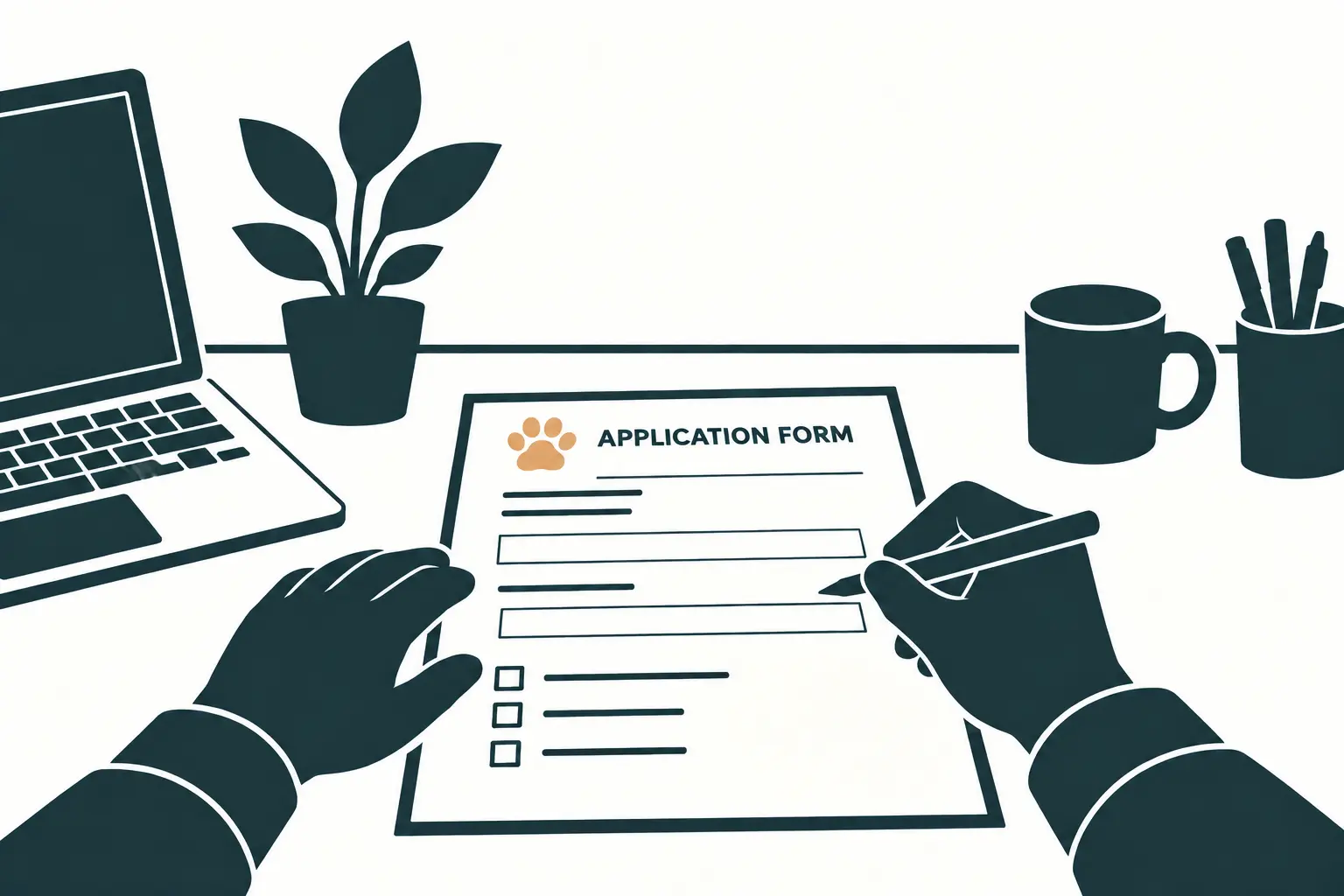
When you find a dog you’re interested in, you’ll usually need to complete an application form. This helps the rescue understand your home, routine and experience so they can assess whether the dog’s needs can be met.
Expect questions covering:
- Your address and type of property
- Whether you rent or own, and landlord permission if renting
- Who else lives in the household, including children’s ages
- Other pets currently in the home
- Your daily routine and how long the dog would be left alone
- Previous experience with dogs, particularly rescue dogs
- Garden security (height and condition of fencing)
Answer honestly. Rescues aren’t looking for a "perfect" answer - they’re trying to match a specific dog’s needs to a specific home. Exaggerating your availability or garden security usually comes up at the home check stage anyway, and it wastes everyone’s time, including yours.
If a particular dog isn’t a match, the rescue will usually tell you why and suggest alternatives rather than simply rejecting you outright. If the match isn’t quite right, most rescues will help you find another dog who may suit you better.
Step 4: The Home Check
This is the stage that makes a lot of first-time adopters nervous, but it’s far less intimidating than it sounds. A volunteer or staff member visits your home, usually before you collect the dog, to confirm what you’ve said in your application is accurate.
What they’re typically checking:
- Garden fencing and gates are secure and high enough for the dog in question
- Where the dog will sleep and spend time when left alone
- General safety of the home (no obvious hazards)
- That other pets or household members are present and agreeable
Remember, the visitor’s job is to check, not interrogate, and most visits are brief and relaxed once an application has already been reviewed. Home checks are normally carried out within 7 to 10 days of your application being approved, though this varies by rescue. They are just there to ensure your future dog can settle in comfortably.
Find out more about what happens during a home check here.
Step 5: Meeting the Dog and Reservation
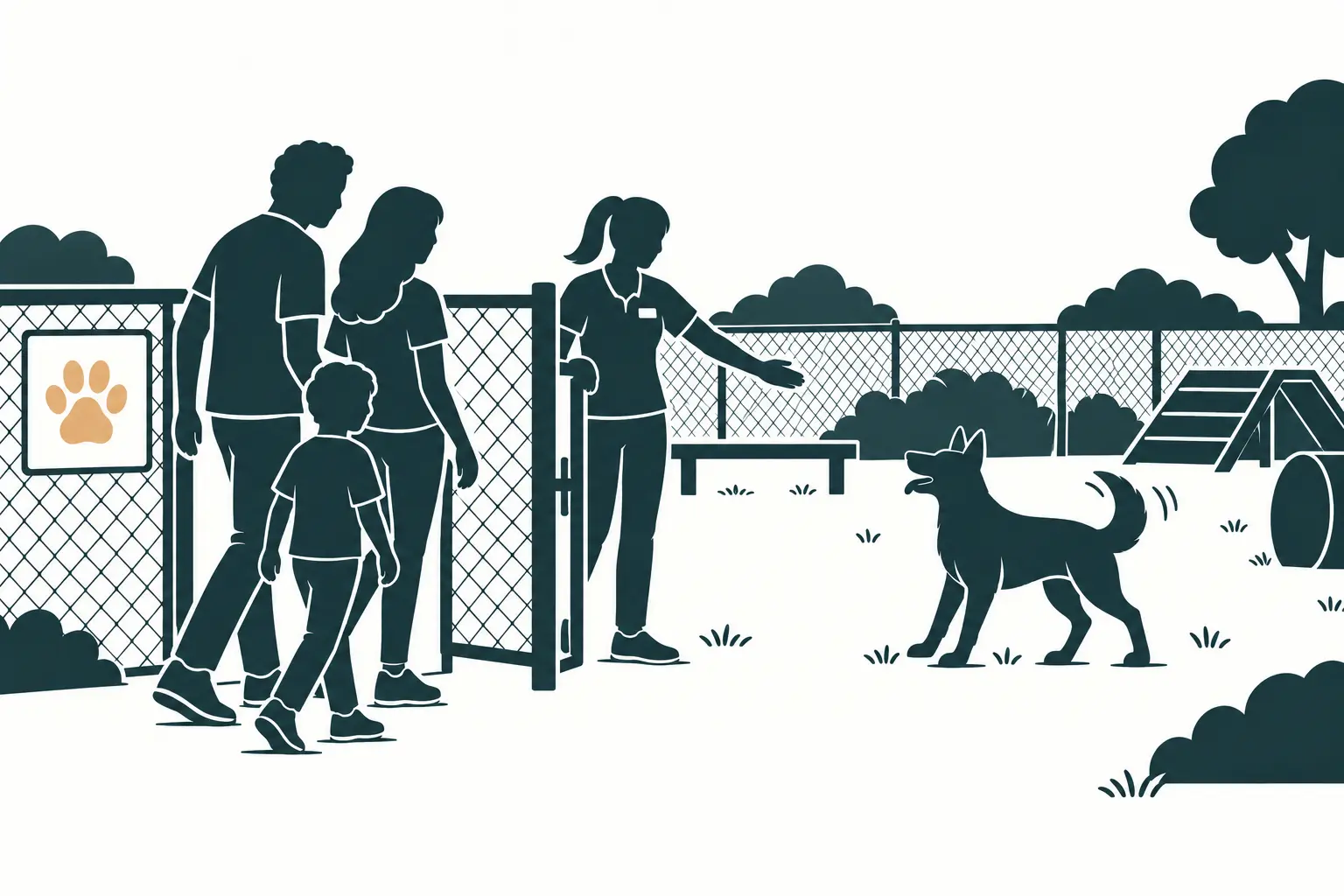
Many rescues encourage a "meet and greet" before finalising anything, especially if you have existing dogs who’ll need to meet the new arrival first. In some cases, 2 or 3 meets may even be needed. This can be a lovely process, and a way to begin getting to know your new best friend.
Practical details vary between charities, but a typical process looks like this:
- Visit to meet the dog
- Home check arranged and completed
- Confirmation and collection appointment booked
- Adoption fee paid on collection
Collection is usually by appointment only, so the rescue can prepare the dog and make sure handover is calm rather than chaotic.
Questions to Ask Before Adopting a Rescue Dog
Meeting a dog is also your opportunity to decide whether they are right for you. Even if you have read their entire profile, don’t be afraid to ask the rescue detailed questions about their history, health, behaviour and daily needs.
Useful questions include:
- Why did the dog come into rescue, and how long have they been there?
- Have they previously lived in a home or stayed with a foster carer?
- How do they behave around children, dogs, cats and unfamiliar people?
The rescue may not know every answer, particularly if the dog arrived as a stray or has only recently entered its care. A dog’s behaviour in kennels can also be different from how they behave once settled into a home.
Step 6: Costs You Should Budget For
Adoption fees vary by charity, dog age, and region, but you can usually expect to pay anywhere from £150 up to £450. Puppies tend to be on the higher end, while older dogs may be on the lower end.
These fees usually cover vaccinations, microchipping, a vet health check, and neutering where age-appropriate. This is work that would cost considerably more if arranged privately afterwards, and helps the charity cover the costs of caring for the dog before adoption.
Beyond the adoption fee itself, make sure to budget for:
- Initial kit: Collar, lead, ID tag, bed, food and water bowls, crate if needed, poo bags, and of course some toys and treats. Roughly £80–£150
- Pet insurance: Monthly premiums vary widely depending on cover level and the dog’s age and breed. Expect anywhere from £20 a month up to £100 a month.
- Ongoing food: Ranges from around £30 to £80+ a month depending on the dog’s size and diet.
- Routine vet care: Annual boosters, flea and worm treatment, and check-ups.
It’s very important to think about the costs before you commit. A dog can be a 10–15 year commitment, and costs tend to rise rather than fall over a dog’s lifetime, particularly in their senior years.
Some charities may have schemes that offer additional financial support. For example, if a dog has a pre-existing medical condition, the charity may be able to partially cover any ongoing medical costs, but this varies per charity and is not a guarantee.
Learn more about the costs of having a dog with our detailed guide here.

Step 7: Preparing Your Home Before Collection Day
A little preparation in the days before your dog arrives makes the first 48 hours far smoother:
- Dog-proof the garden. Check fence heights and gaps, especially for known escape artists or anxious dogs
- Set up a quiet space. A bed or crate in a quiet area gives a nervous dog somewhere to retreat
- Remove hazards. Bins, toxic plants, electrical cables, anything chewable and dangerous
- Buy the essentials in advance. Lead, collar with ID tag (a legal requirement in the UK), food bowls, appropriate food
- Agree house rules with the rest of the house. Furniture access, feeding times, who’s walking the dog when
It’s important to consider all of this before the dog arrives, not after. Many rescues provide aftercare advice, and most genuinely want to hear from you afterwards if things are difficult.
Find out more about preparing your home for a rescue dog here.
What to Expect in the First Few Weeks
The "3-3-3 rule" is a widely shared rule of thumb among UK rescues and behaviourists: roughly 3 days to decompress and feel overwhelmed, 3 weeks to start learning your routine, and 3 months to truly settle and show their real personality.
During this period:
- Keep walks calm and routine rather than ambitious outings
- Avoid overwhelming the dog with visitors in the first week or two
- Expect some accidents, clinginess, or withdrawal. This is normal while the dog settles in; remember that their whole life has completely changed
- Contact your rescue if you’re worried; most offer ongoing behavioural support, particularly in the first fortnight after adoption
For more information about the 3-3-3 rule, click here.
Common Reasons Applications Are Turned Down
It’s worth knowing these in advance so you can address them proactively:
- No secure garden for a dog that needs one (relevant for known escape risks or high-energy breeds)
- Long hours alone that don’t suit the specific dog’s separation needs
- No landlord permission confirmed in writing for rented properties
- Mismatch with existing pets, for example, a dog that isn’t cat-safe being placed in a home with cats
- Household members not on board - every adult in the home needs to agree
None of these are permanent barriers. A rescue that turns down one dog because of your working hours might happily match you with a more independent, lower-energy dog instead.
Frequently Asked Questions
How long does it take to adopt a rescue dog in the UK?
From application to collection, the process typically takes one to three weeks, depending on how quickly the home check can be arranged and whether the dog needs any further assessment.
Can I adopt a rescue dog if I work full-time?
Yes, but the rescue will want to know how long the dog would be left alone and may match you with a more independent dog, or suggest dog walkers or daycare for part of the week.
Do I need a garden to adopt a rescue dog?
Not always. Many dogs are successfully homed with flat or apartment owners, particularly smaller or lower-energy breeds, as long as you can provide regular walks and toilet access.
Can I adopt a rescue dog while renting?
Yes, as long as your tenancy agreement allows dogs. Make sure to confirm this with your landlord before applying to avoid issues later.
What happens during a home check?
A volunteer or staff member visits to check things like garden security, where the dog will sleep, and general household safety. It’s a short, friendly visit rather than an inspection to catch you out.
Will the rescue take the dog back if it doesn’t work out?
Reputable UK rescues will usually take a dog back if the placement genuinely isn’t working, rather than have the dog rehomed privately or abandoned. This is standard practice across most charities.
How much does it cost to adopt a rescue dog in the UK?
Adoption fees generally range from £150 to £450, usually including vaccinations, microchipping, and neutering.
Can I adopt a puppy from a rescue, or only adult dogs?
Both are available, though adult dogs are far more common in rescue. Puppies do come into rescue care, particularly from unplanned litters, but waiting lists for puppies can be longer.
Conclusion
Adopting a rescue dog in the UK takes a little patience for application forms, home checks, and sometimes a wait for the right match, but the process is there to protect both you and the dog from a placement that won’t last. Go in with an honest picture of your home and lifestyle, ask questions, and don’t be discouraged if the first dog you fall for isn’t quite the right fit.
Rehoming a dog is a wonderful experience for owners, and a life-changing experience for a dog in desperate need of a new home.
Ready to start? Search available rescue dogs near you on Rescue Finder and filter by size, age, breed and location to find a dog that genuinely suits your home.