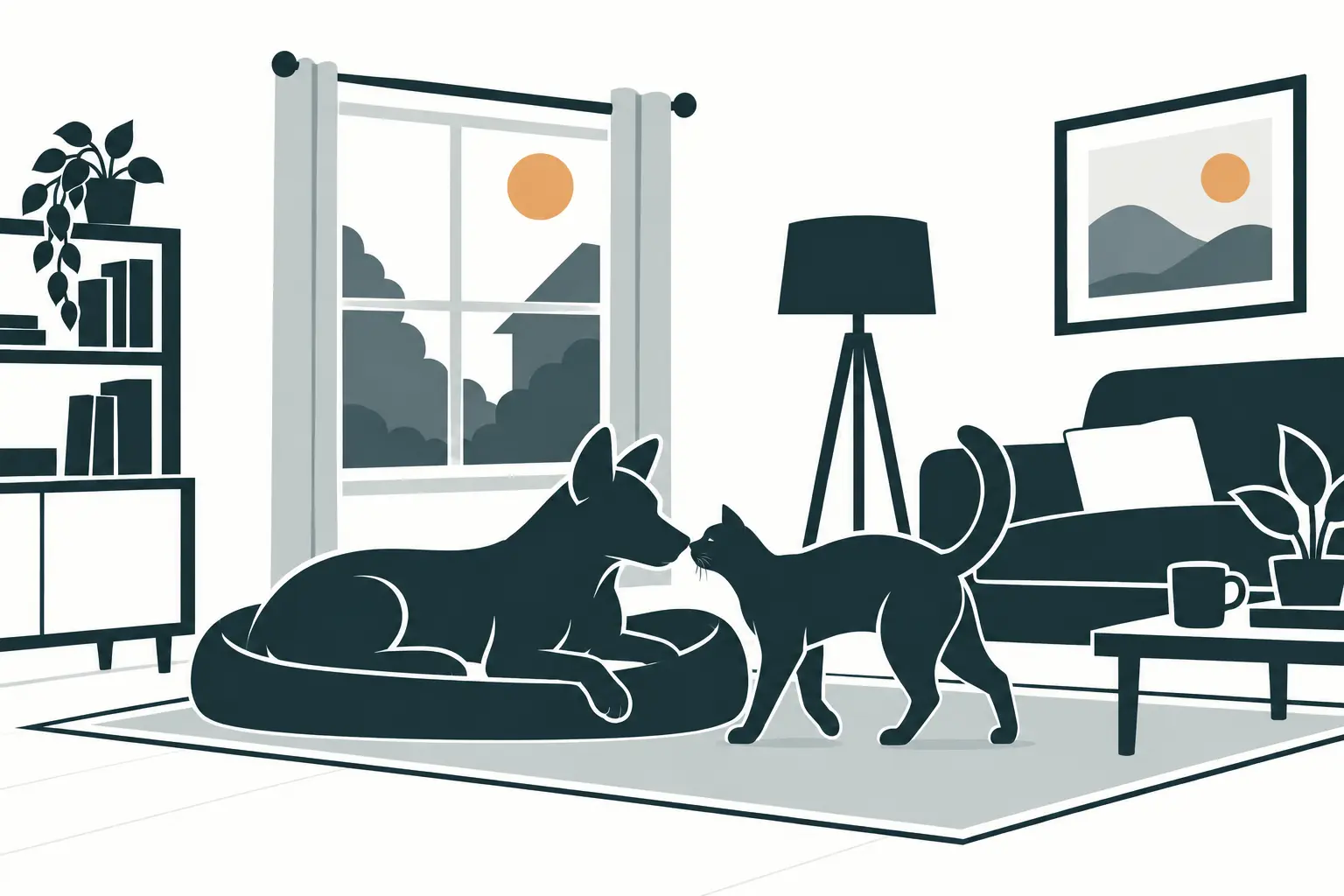
The simple answer is yes, you can in most situations. Having a dog or cat at home won’t stop you adopting a rescue dog, and most rescues are happy to consider it. However not all dogs looking for a home are suitable to live with other dogs or cats, so it may limit your choices.
What really matters is the match, taking into account both how your existing animals would react to a new dog entering the home, and how the new dog will feel about it. This guide covers what rescues look for, how to choose a dog who suits your pets, and how to make the first few weeks go smoothly. If you’re new to the process, start with our guide to how to adopt a rescue dog in the UK.
Will a rescue let you adopt if you already have pets?
Usually, yes. Rescues want every dog to stay in their new home for life, so they need to know how your pets fit into the picture. Expect them to:
- Ask about your pets. Age, personality, health and how they cope with other animals.
- Want everyone to meet. Many rescues arrange for your resident dog to meet the new dog before adoption is agreed.
- Check your vet details. Some rescues may ask for these to confirm your pets are vaccinated and well cared for.
- Ask if any existing dogs are neutered. If you have a dog that hasn’t been neutered, this can make the application process more restrictive because it can make the relationship between the two dogs less predictable.
Most rescues will also carry out a home check and want to meet any existing pets. Our guide here explains what a home check involves.
How to choose a dog who suits your pets
Look at personality first and breed second. A rescue’s assessment of the individual dog is far more useful than anything else.
If you have a cat, look for dogs described as living happily with cats, and ask how the rescue knows. Has the dog lived with a cat in a foster home, or only met one briefly? Some dogs with a strong chase instinct find cats very hard to live with.
If you have a dog, think about energy, age and size. A boisterous young dog can exhaust a senior dog, and a nervous dog may struggle with a pushy one. Often, females are better matched with males, and vice versa, though this isn’t a set rule.
Smaller, local rescues often have an advantage here. Many keep dogs in foster homes, so the carer has seen how the dog behaves around other animals day to day.
Here are a few questions to ask the rescue:
- Has the dog lived with other dogs or cats, and for how long?
- How does the dog react to other dogs on walks?
- Does the dog guard food, toys or beds?
- What kind of dog would suit my pet’s personality?
Preparing your resident pets
A little preparation goes a long way.
- Make sure each animal has their own space. This is very important, especially during the initial period. Introducing a new animal to the home can be very overwhelming and requires time for everyone to adjust. Even if they do get along well from the start, they will likely still want space for each other from time to time.
- Provide individual toys, chews and bowls. Even if neither dog has an issue with resource guarding, they should each have some of their own toys, and be fed separately.
For a more general guide, check out our advice on preparing your home for a rescue dog.
Introducing your new dog to your dog
Initial introductions are very important, and allow the dogs time to adjust before sharing their home together. Imagine a stranger suddenly living with you – you’d probably want to get to know them a bit first.
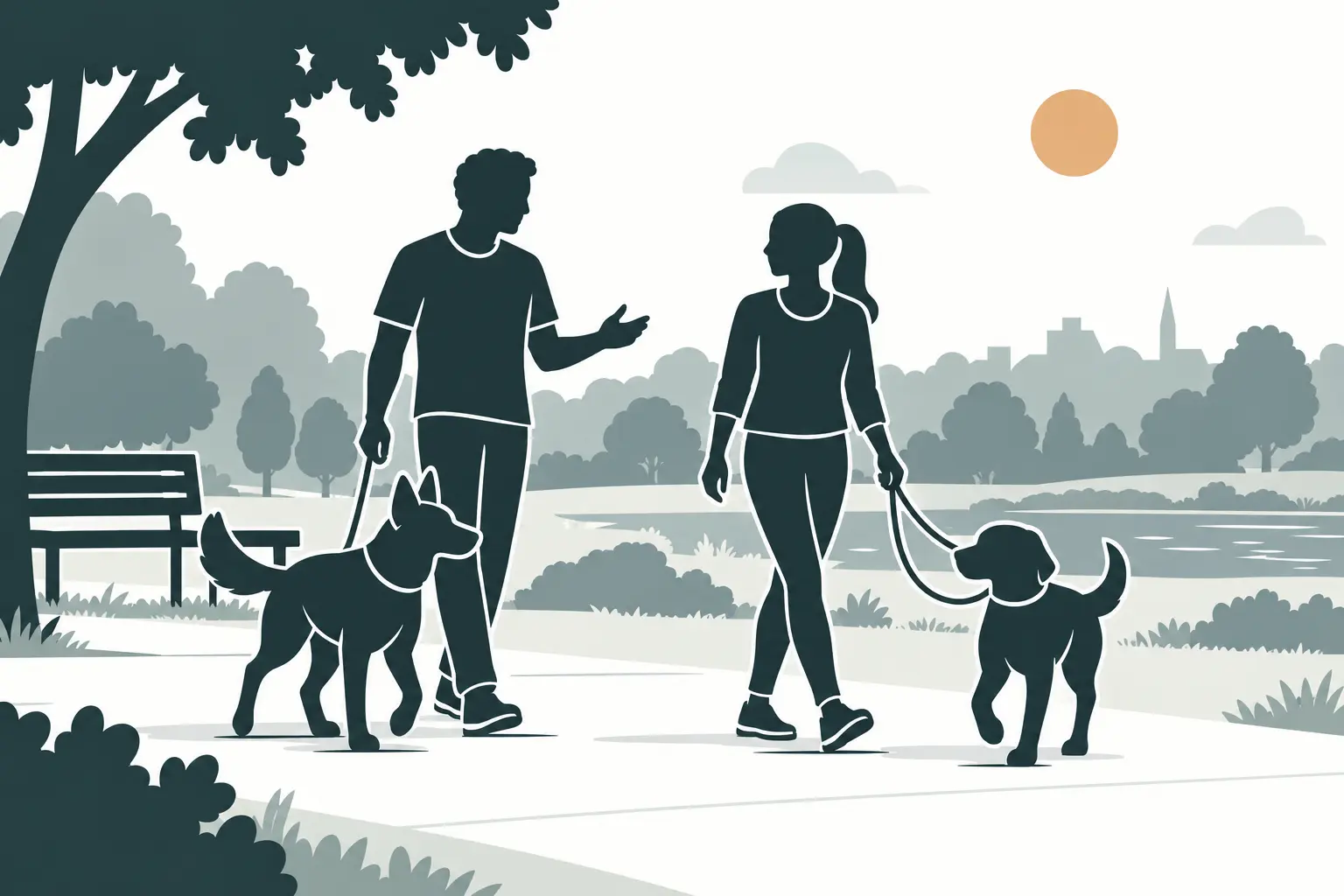
- Initial meeting. This will likely be done at the charity or somewhere neutral like a walk, to allow the dogs to meet and greet. This first, stress-free meeting is a great way for them to get used to each other.
- Further meetings. You may be asked to do another meeting, especially if the first one didn’t go quite as planned. You can also request this yourself which is usually a good idea.
- Meeting at home. The charity will usually give you specific advice on how to handle their interactions at home for the first few days, so always follow this. Generally, they’ll suggest limiting interactions for a while and making sure each dog has their own space where they can be comfortable.
Introducing your new dog to your cat
Cats and dogs can get along very well, but some pairs never become entirely comfortable together, so take it slowly.
- Keep them apart at first. Your cat’s safe room is off-limits to the dog.
- Let them see each other through a barrier. Use a stair gate or glass door for short sessions, with both free to walk away.
- Meet face to face with the dog on a lead. Walk the dog first, reward calm behaviour, and make sure the cat can climb or leave whenever they choose.
- Keep supervising. Ensure that meetings are supervised, and each animal can leave freely if things don’t go well.
If either pet seems distressed, speak to your vet or a qualified animal behaviourist rather than leaving them to work it out.
Give everyone time
Even a well-matched dog needs weeks to settle, and your resident pets will likely need time too. While some dogs will become best friends in a short period, this is uncommon and you should expect a longer period for them to feel comfortable around each other.
FAQs
Will a rescue turn me down because I already have pets?
Not usually. Rescues are looking for a good match, not a reason to refuse. Some have neutering rules or specific requirements, so check when you apply.
Can I adopt a rescue dog if I have a cat?
Yes. Many dogs live happily with cats. Look for dogs known to be cat-friendly, ask how the rescue knows, and introduce them gradually.
Should my dog meet the new dog first?
Yes, a meeting on neutral ground shows you and the rescue how they get on before you commit.
How long does it take for pets to get along?
Typically this can take a few weeks to several months. Focus on calm, supervised time together and let them set the pace.
Conclusion
Having pets doesn’t rule you out of adopting. It just means the match matters more. Be honest with the rescue about your pets, choose a dog whose history fits, and introduce everyone slowly. If you’re ready to start looking, you can use our search tools to help you find the perfect match on Rescue Finder.