
Adopting a rescue dog when you have children is one of the most rewarding decisions a family can make. It teaches kids empathy, responsibility, and the value of giving an animal a second chance, while gaining a loyal companion in the process. But with so many dogs in need of homes across UK rescue centres, how do you know which one is the right fit?
The good news is that rescue centres do a lot of the hard work for you. Every dog in their care is assessed for temperament, behaviour, and compatibility before being matched with a new family. Adopting through a reputable rescue gives you more insight into a dog’s personality than buying a puppy ever could.
This guide covers the breeds you’re most likely to encounter in UK rescue centres that tend to do well in family homes, what to realistically expect from the matching process, and how to set things up for success with your children.
Why Rescue Is a Smart Choice for Families
Many parents assume buying a puppy from a breeder is the safest route when children are involved. In fact, rescue adoption often offers distinct advantages for families.
When a dog arrives at a rescue centre, the team will typically assess whether they’d be suitable for a home with children. This means you receive honest, detailed information about what a specific dog can and cannot cope with. Can they settle with toddlers? Do they get overwhelmed by noise? Have they lived happily with a family before? These are questions a rescue can often answer; a breeder selling an eight-week-old puppy cannot.
And let’s not forget the financial benefit. Rescue adoption fees in the UK typically range from around £150 to £450 and generally include neutering, microchipping, vaccinations, and a health check. A puppy can cost considerably more, often in the thousands.
Most importantly, a well-matched rescue dog often adjusts to family life more smoothly than people expect, particularly when the right breed and temperament have been identified from the start.
What Makes a Rescue Dog a Good Fit for a Family with Children?
Breed temperament matters, but it’s only one part of the picture. When assessing any rescue dog for a home with children, responsible rescues look for:
- Tolerance. A family dog needs to remain calm when confronted with the unpredictability that children bring: sudden movements, noise, and the occasional accidental bump. Dogs with a high tolerance threshold are less likely to react negatively.
- Trainability. Dogs that respond well to positive reinforcement are often easier to integrate into a household with children.
- Appropriate energy levels. A dog whose activity needs match your family’s lifestyle is more likely to thrive. A high-drive working breed placed in a quieter household can quickly become frustrated.
- Known history around children. Many rescue dogs have previously lived in family homes or been fostered with children.
The Best Breeds Commonly Found in UK Rescue for Families with Children
Labrador

The Labrador is consistently the UK’s most popular dog breed, and for good reason. Labs are gentle, patient, food-motivated (which makes training straightforward), and genuinely enjoy the company of children. Their friendly, outgoing nature means they tend to cope well with the noise and chaos of family life.
That said, young Labradors can be boisterous. A bouncy, adolescent Lab may inadvertently knock over small children simply through excitement. For this reason, many rescues will lean towards older Labs if you have young children. They do have fairly high exercise needs so they suit a more active home as well.
Browse Labrador Retrievers available for adoption on Rescue Finder
Golden Retriever

The Golden Retriever shares many of the Labrador’s traits: a patient, gentle temperament with exceptional tolerance around children which makes them well-suited to the excitable attention children bring.
They’re less common in rescue than some other breeds, but they do appear and when they do they can be a great choice for families. They have moderate energy levels and require regular grooming.
Browse Golden Retrievers available for adoption on Rescue Finder
Cocker Spaniel

The Cocker Spaniel is a playful breed, well-suited for family life. They’re affectionate and tend to get along well with children when properly socialised. Their smaller size makes them a practical choice for families without a large garden too.
That said, Cocker Spaniels have fairly high energy needs, especially a working Cocker. Rescues should flag this distinction clearly, so do ask which type you’re being matched with.
Browse Cocker Spaniels available for adoption on Rescue Finder
Sighthounds
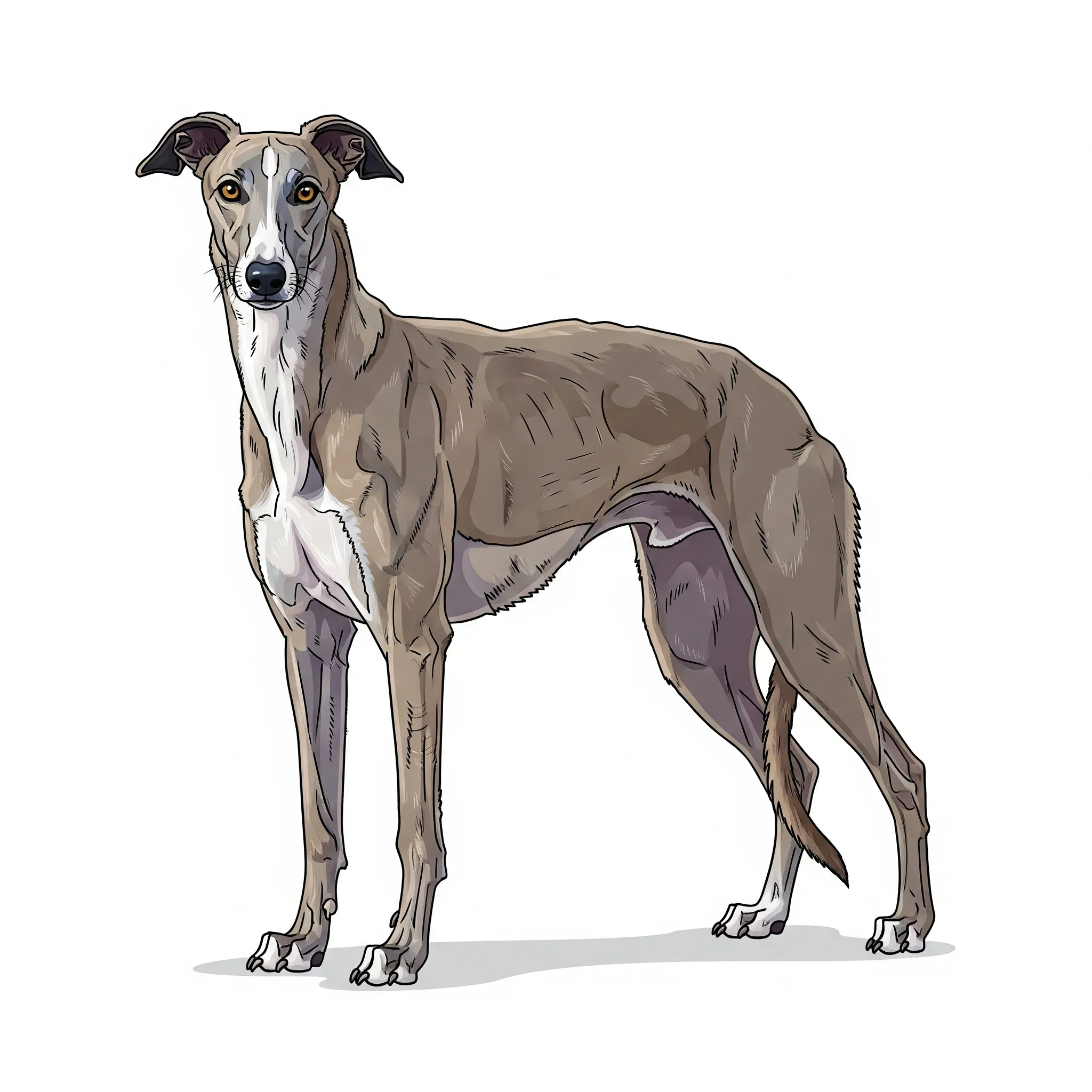
Greyhounds, whippets and most other sighthound breeds are frequently overlooked but make superb family dogs. They are gentle, quiet in the home, and form strong bonds with their people. Their calm, sensitive temperament means they tend to prefer households where children are old enough to understand the concept of giving a dog space, but they make excellent companions.
They require less exercise than people think, usually preferring shorter walks where they can burn off lots of energy in an open space. They are also one of the most common breeds in rescue.
Mixed Breeds and Crossbreeds
Don’t overlook mixed breeds either. Crossbreeds combine the characteristics of multiple breeds and often have the steadier, more balanced temperaments that come from a more diverse gene pool. They can also be less prone to some of the hereditary health conditions that affect specific pedigrees too.
Many of the dogs in UK rescue are crossbreeds, and many will suit a family life, but be sure to ask the rescue and see if they have any previous experience with children.
What to Expect From the Rescue Assessment Process When You Have Children
UK rescue centres take family applications seriously, and the matching process will typically involve:
- An initial application. You’ll be asked about your home environment, garden security, the ages of your children, your activity levels, experience with dogs, and what you’re looking for in a companion.
- A home visit or check. Most rescues will visit your home to assess the space and speak with the whole family, or do this virtually via a video call. This is for the benefit of both you and the dog, and we have a useful guide on what to expect from a home check here.
- Age restrictions. Some rescues apply minimum age criteria for children in the home, depending on the individual dog. This might mean a particular dog isn’t considered suitable for children under a certain age. It’s worth bearing in mind, but there are plenty of options out there.
Tips for Introducing a Rescue Dog to Your Children
Even the most family-friendly dog will need time to adjust to a new home. Here are a few things you can do to help:
- Give the dog space first. When a rescue dog arrives, resist the temptation to smother them with attention. Let them explore their new environment quietly and find a safe spot to retreat to.
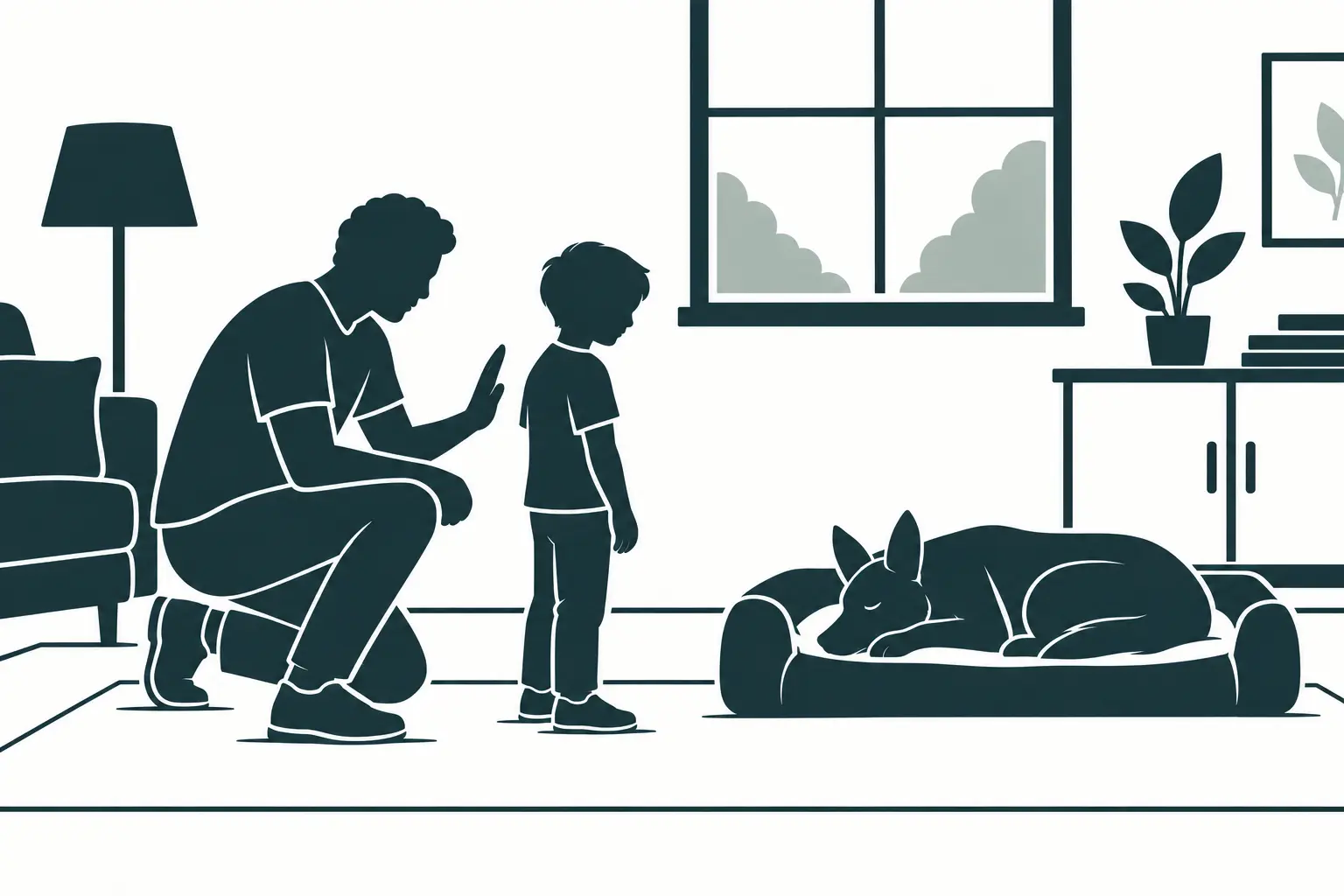
- Teach children how to greet the dog. Show them to crouch down and to wait for the dog to approach them rather than rushing forward. For young children especially, be sure to supervise interactions as they get to know each other.
- Set up a child-free zone. Give the dog a space, such as a crate or a bed in a quiet room, where the children know not to disturb them. Dogs that have a place they can go to relax are less likely to feel overwhelmed.
- Keep routine consistent. Rescue dogs thrive on routine. Regular feeding times, walks, and calm evenings help a dog settle far more quickly than an unpredictable schedule.
Be sure to check out our guide on the 3-3-3 rule to help your dog settle into their new home.
Frequently Asked Questions
Can rescue dogs be rehomed with young children?
Yes, many rescue dogs are assessed as suitable for homes with young children. However, individual dogs vary, and rescues will specify minimum age requirements based on each dog’s temperament and history.
Is it better to get a puppy or a rescue dog when you have children?
For many families, an adult rescue dog is actually the easier option. Adult rescue dogs typically have known temperaments, are often house-trained, and have a calmer energy than puppies.
What breeds of rescue dog are best with children?
Labradors, Golden Retrievers, Cocker Spaniels and Sighthounds are among the family-friendliest breeds available in UK rescue. Mixed breeds are equally worth considering, and in all cases it comes down to the specific dog’s temperament which the rescue can discuss with you.
Do rescue centres charge more if you have children?
No, adoption fees are the same regardless of family size. However, the matching process may take slightly longer, as the rescue will want to find a dog whose assessed temperament is confirmed as appropriate for your household.
Conclusion
Adopting a rescue dog when you have children can be very rewarding for both your family and the dog. UK rescue centres are full of dogs who have been assessed, loved, and prepared for their next chapter. Many of them have already lived happily in family homes and are simply waiting for someone to give them another chance.
Always be honest with the rescue charity and listen to what they recommend as they know the dogs best and how they are likely to behave around children.